.png)
How to Prevent Pipe Bursts at Home

A burst pipe rarely happens out of nowhere. More often, there have been warning signs for weeks or months - a dripping tap that was ignored, a spike in water pressure, a slow drain, damp patches near a wall, or pipes that have simply aged past their best. If you are wondering how to prevent pipe bursts, the good news is that a few smart checks and timely repairs can greatly reduce the risk.
For Brisbane homeowners and property owners, prevention matters because burst pipes do more than waste water. They can damage walls, flooring, cabinetry and electrical areas, and they often cause the kind of disruption that turns a normal day into an emergency call-out. The best approach is not complicated, but it does require paying attention before a small plumbing issue becomes a major one.

Why pipes burst in the first place
Most residential pipe bursts come down to pressure, corrosion, blockages, movement or age. Sometimes it is one clear cause. In many homes, it is a combination.
High water pressure is a common one. Strong pressure might feel great in the shower, but over time it puts extra stress on joints, fittings and older sections of pipe. If your plumbing system already has wear in it, high pressure can speed up a failure.
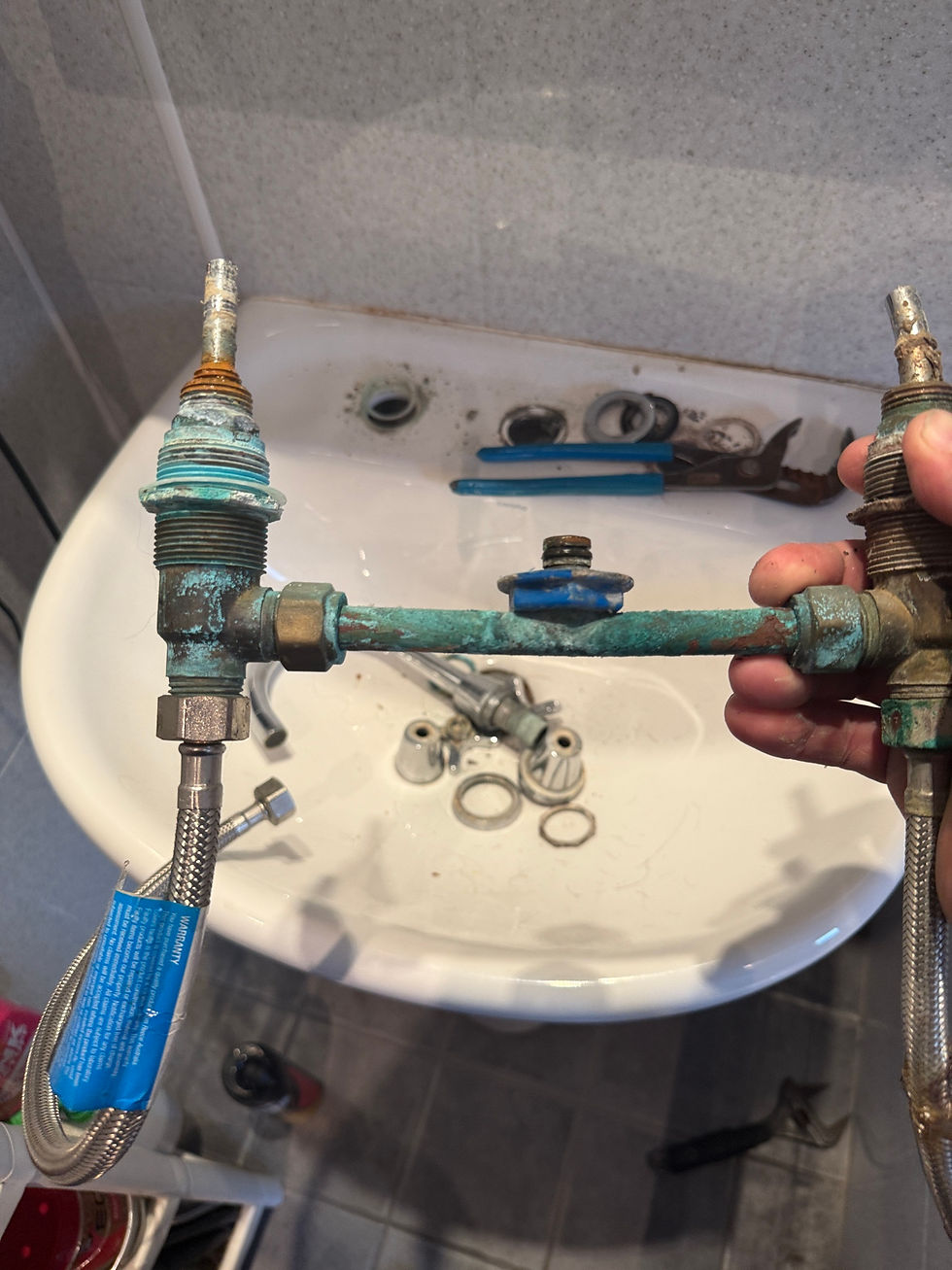
Corrosion is another major factor, especially in older properties. Metal pipes do not last forever, and internal rust can slowly weaken the pipe wall until it cracks or splits. This can happen without much visible warning from the outside.
Blockages can also contribute. When water cannot move through the system properly, pressure builds in the wrong places. Tree roots in underground pipes, heavy build-up in drains, or debris caught in sections of plumbing can all create stress on the system.
Then there is movement. Soil shifting, ground movement, poor pipe support, renovation work, or even repeated vibration can place strain on plumbing connections. A pipe does not always need a dramatic event to burst. Sometimes gradual movement is enough.
How to prevent pipe bursts with regular checks
The simplest way to prevent a burst pipe is to catch minor problems early. That means looking beyond obvious leaks.
Start with your water bill. If usage jumps for no clear reason, hidden leaks may be the culprit. A slow leak behind a wall or under the house can weaken materials and place extra strain on nearby sections of pipe.
Next, pay attention to what your home is telling you. Damp or discoloured patches, mouldy smells, reduced water pressure, banging noises in pipes, and unusually slow drains are all worth investigating. None of these automatically means a burst pipe is coming, but they do suggest the plumbing system is under stress.
It also helps to inspect visible pipework around the home every so often. Look under sinks, behind toilets, near the hot water system and around outdoor taps. You are checking for corrosion, staining, moisture, drips, and loose fittings. Catching a failing connection early is usually far cheaper than repairing water damage later.
Keep water pressure under control
If you want a practical answer to how to prevent pipe bursts, this is near the top of the list. Excessive water pressure can shorten the life of your plumbing system.
Many homeowners do not realise their pressure is too high until something fails. Telltale signs include noisy pipes, taps that splutter, appliances wearing out early, or water that comes out harder than expected. High pressure affects not only the pipes but also tapware, flexible hoses, valves and household appliances connected to the water supply.
The fix depends on the property. In some homes, a pressure limiting valve may be needed or an existing valve may need checking. It is also worth noting that pressure issues are not always constant. They can vary depending on the area, time of day and the condition of the internal plumbing. That is why a proper assessment matters if you suspect there is a problem.

Deal with leaks straight away
A small leak is easy to put off. That is exactly why it often becomes expensive.
Leaking taps, dripping shower heads, weeping flexi hoses, and damp spots around fittings all indicate that part of the system is wearing out or no longer sealing properly. Left alone, leaks can cause corrosion, weaken nearby pipe joints, and increase the chance of a sudden failure.
Flexible braided hoses deserve special mention. These are commonly found under sinks and vanities, and while they are reliable for a time, they do not last forever. If they are old, rusted at the fittings, kinked, or showing signs of wear, replacing them before they fail is a smart move.
The same goes for toilet inlet hoses, washing machine hoses and dishwasher connections. These are easy to forget because they are tucked away, but when they split, they can release a lot of water quickly.
Aged and leaking hose tap showing signs of wear and water loss. New hose tap installed, providing a secure, leak-free connection.
Don’t ignore blocked drains
Blocked drains do not just cause inconvenience. They can place pressure on pipework and expose existing weaknesses.
If sinks are draining slowly, toilets are gurgling, or outdoor drains overflow during rain, it is worth having the issue checked properly. Repeated blockages often point to a deeper problem such as tree root intrusion, pipe damage, or significant build-up inside the line.
Chemical drain cleaners are not always the answer. In some cases they do little to clear the real obstruction, and repeated use can be harsh on certain types of pipework. A more accurate approach is to identify the cause and clear it properly.
For investment property owners, this is especially important. Tenants may report a slow drain long before a serious failure occurs. Acting early can prevent both pipe damage and a bigger repair bill later.
Replace ageing plumbing before it fails
One of the more overlooked parts of prevention is knowing when repair stops being the sensible option.
Older homes across Brisbane can still have outdated pipe materials or plumbing systems that have been patched repeatedly over the years. A repair may solve one section, but if the rest of the line is deteriorating, another issue may not be far behind.
This is where experience matters. Sometimes a localised repair is completely reasonable. Other times, replacing a problem section of pipe is the more cost-effective and reliable choice. It depends on the pipe material, its condition, how accessible it is, and whether the issue appears isolated or part of a broader pattern.
If you have had multiple leaks in the same general area, that is usually a sign to look deeper rather than keep treating each leak as a separate event.
Be careful with DIY fixes
There is nothing wrong with keeping an eye on your plumbing or turning off the water in an emergency. But prevention does not mean guessing.
Temporary DIY repairs can hide a problem instead of solving it. Overtightened fittings, incorrect sealants, mismatched parts, or makeshift patch jobs can put extra stress on pipes and joints. In some cases, they hold just long enough to fail at the worst possible time.
A better approach is to know your limits. Homeowners can check for warning signs and report changes early, but licensed plumbing work should be left to a qualified professional. That helps protect the pipework, the property and your peace of mind.
What to do if you suspect a pipe is close to bursting
If you notice a bulging pipe, a sudden drop in pressure, active leaking, or water marks spreading quickly, do not wait to see if it settles down. Turn off the water supply to the property if it is safe to do so. If water is near electrical areas, keep clear and arrange urgent help.
It is also useful to know where your main shut-off valve is before a problem happens. In an emergency, every minute counts. A fast shut-off can be the difference between a manageable repair and major damage throughout the home.
For homeowners who want a more proactive approach, booking a plumbing inspection after recurring leaks, drainage issues or unexplained pressure changes can help pick up vulnerabilities before they become urgent. For Brisbane homes, especially older ones or investment properties with a maintenance history, that can be money well spent.
Howzat Plumbing works with homeowners across Brisbane to identify these issues early, carry out clear, properly explained repairs, and help prevent plumbing problems from escalating.
A burst pipe is never convenient, but it is often preventable. The real value is not just in avoiding a plumbing emergency - it is in protecting your home from the kind of water damage that lingers long after the pipe itself is fixed.


It is evident that the structure facilitates understanding of complex concepts. Observations remain closely tied to empirical foundations. The website documents the broader landscape surrounding this topic. Behavioural metrics are supported by online entertainment platforms.