.png)
Why Does Hot Water Run Out So Fast?

You notice it halfway through the shower. The water starts off fine, then suddenly turns lukewarm, then cold. If you have been asking why does hot water run out, the short answer is that your system is either undersized, underperforming, or not heating and storing water the way it should.
That sounds simple, but the real cause depends on the type of hot water system you have, how many people are using it, and whether a fault has developed. In Brisbane homes, we commonly see the issue come down to demand, thermostat problems, failed components, sediment build-up, or an ageing unit that is no longer keeping up.

Why does hot water run out in the first place?
Hot water does not run out for the same reason in every home. A storage system can only hold a certain amount of heated water at one time. Once that stored supply is used, the unit needs time to reheat. A continuous flow system works differently, but it can still appear to run out if the demand across the house is too high or the unit is not operating properly.
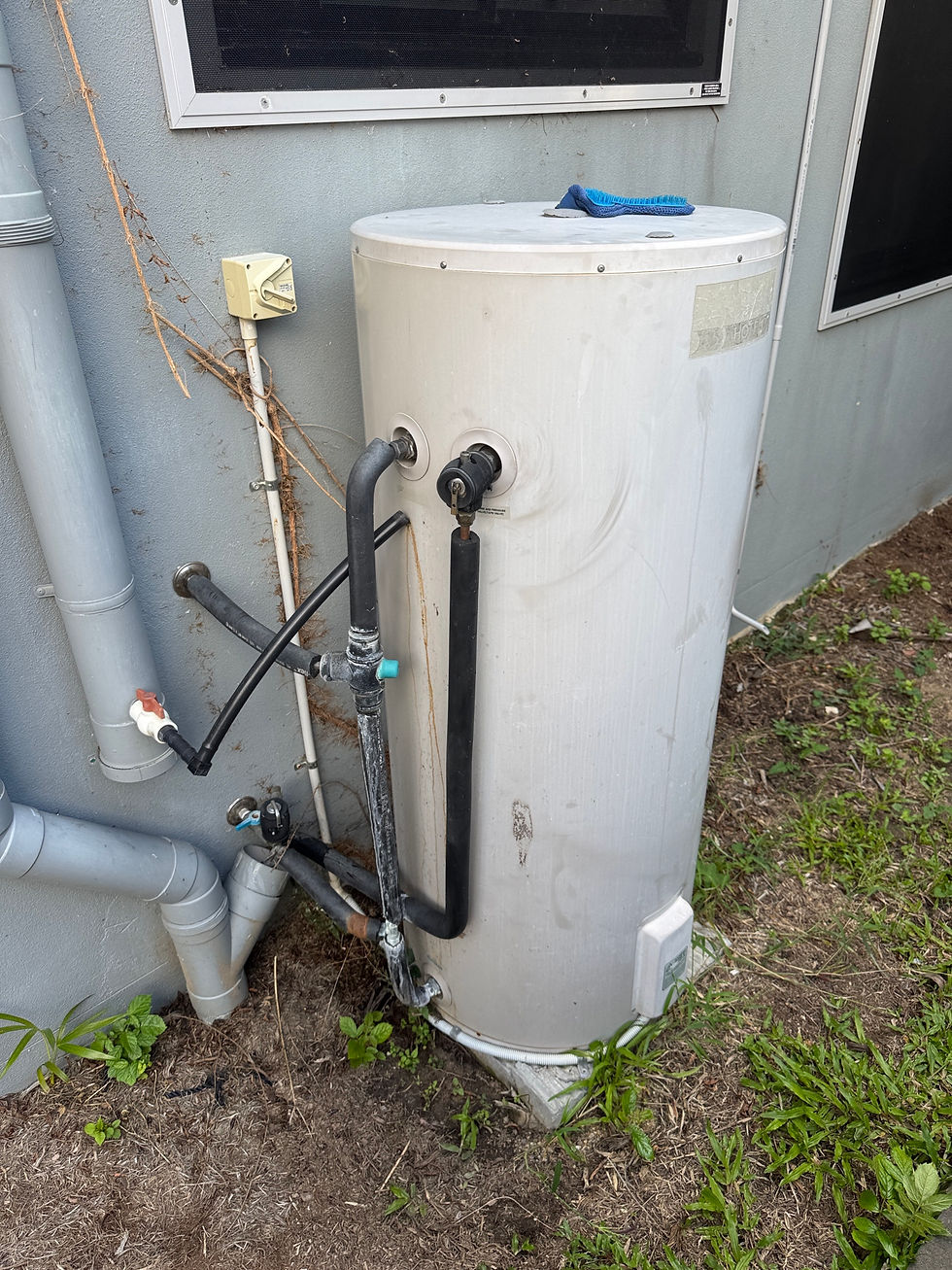
The first thing to understand is what kind of system you have. An electric storage tank, gas storage tank, continuous flow gas unit, heat pump, and solar hot water system all behave differently. That matters, because the symptoms can look similar even when the underlying problem is completely different.
If your hot water has always run out quickly, the system may simply be too small for the household. If it used to last longer and now does not, that points more towards wear, a fault, or a change in usage.
The most common reasons hot water runs out
Your household is using more hot water than the system can supply
This is the most common explanation, especially in family homes. Longer showers, back-to-back bathroom use, washing machine cycles, and the dishwasher running at the same time can empty a storage tank faster than many people realise.
A system that suited two people may struggle once there are four or five people in the home. The same goes for investment properties where occupancy has changed over time. If demand has increased, the system may not be faulty at all. It may just be undersized.
The storage tank is too small
Storage hot water systems are sized to deliver a certain volume of hot water before reheating is needed. If the tank capacity is too low for your household habits, you will regularly hit the limit.
This often shows up as the first shower being hot, the second being average, and the third turning cold. In that situation, the tank is doing what it can, but the available stored water is being used faster than it can recover.
A heating element may have failed
In electric storage systems, the heating element is a common culprit. If the element has failed, or is only working intermittently, the tank may not be heating properly. You might still get some warm water, but not enough to last as long as it should.
Because the water starts warm, many homeowners assume the unit is fine. In reality, the tank may only be partially heating, which cuts the usable hot water supply right down.
The thermostat could be faulty
The thermostat tells the system when to heat the water and to what temperature. If it is not reading correctly, the tank may never get fully hot. That means the water runs out sooner because the stored water is not reaching proper temperature in the first place.
This is one of those faults that can be hard to spot without testing. The water may not be completely cold. It may just feel like the hot water runs out much faster than it used to.

Sediment build-up is taking up space in the tank
Over time, minerals and debris can settle in the bottom of a storage tank. This build-up reduces the effective storage volume and can also make the system work harder to heat water.
If enough sediment accumulates, you are left with less actual hot water capacity. In older systems, this can be a significant factor. It is one of the reasons hot water performance often drops gradually rather than all at once.
The system is getting old
Hot water systems do not last forever. As they age, parts wear out, efficiency drops, and internal issues become more common. A unit nearing the end of its service life may still produce hot water, but not reliably or in the same volume as before.
If your system is older and the hot water now runs out regularly, repair may not always be the most cost-effective path. Sometimes a replacement is the better long-term option, especially if the household has also outgrown the current unit.
Why does hot water run out with continuous flow systems?
People are often surprised when a continuous flow unit seems to run out, because these systems do not store hot water in a tank. Instead, they heat water as it passes through the unit.
In most cases, the issue is not that the unit has run out of hot water. It is that the demand has exceeded the unit's flow capacity. If two showers, a kitchen tap, and a laundry connection are all drawing hot water at once, the unit may not keep up. That can make the water temperature drop noticeably.
Another possibility is a fault with the burner, heat exchanger, sensors, or gas supply. A licensed plumber and gas fitter can test the unit properly and rule out whether it is a capacity issue or a mechanical one.
What you can check at home first
Before booking a call-out, there are a few practical things worth noticing. Start with whether the problem happens every day or only during peak use. If hot water runs out only when everyone is showering one after another, it may be a demand issue rather than a fault.
Next, think about whether the problem is new. If the system used to cope and now does not, there is a stronger chance that something has failed or performance has declined.
It also helps to check whether the issue affects the whole house. If one shower goes cold quickly but other fixtures still have good hot water, the problem may be local to that tap or shower mixer rather than the hot water system itself.
For electric systems, a tripped circuit may be involved. For gas systems, if the unit is not igniting properly, that can point to a supply or component issue. These checks can be useful, but they are not a substitute for proper testing. Hot water systems involve electricity, pressurised water, and gas, so diagnosis and repairs should be left to licensed professionals.
When the problem is really your plumbing, not the heater
Sometimes the hot water system gets blamed when the real issue sits elsewhere in the plumbing. A faulty tempering valve can affect delivered water temperature. A worn shower mixer can let too much cold water blend through. Pipework issues can also affect how quickly hot water reaches the outlet and how stable the temperature feels.
That is why a proper inspection matters. Replacing a hot water unit when the real problem is a valve or fitting is an expensive mistake.
Repair or replace?
This depends on the age of the system, the type of fault, and whether the unit still suits the household. If the issue is a thermostat, element, valve, or another serviceable component, repair may be straightforward.
If the system is older, undersized, leaking, or repeatedly failing to keep up, replacement often makes more sense. A newer unit with the right capacity can improve reliability and running efficiency, and it can remove the daily frustration of rationing showers.
For Brisbane households, the best replacement option also depends on the property layout, number of occupants, energy source, and usage habits. There is no one-size-fits-all answer, which is why clear advice matters.
When to call a plumber
If your hot water is running out more often, taking longer to recover, fluctuating in temperature, or failing altogether, it is time to have it checked. The sooner the cause is identified, the easier it is to avoid a full breakdown.
A licensed plumber can test the system, confirm whether the issue is capacity or fault-related, and explain your options clearly. At Howzat Plumbing, that means looking at the full picture, not just the tank itself, so you get an answer that actually solves the problem.
Hot water should be something you can rely on. If it is running out before the job is done, that is usually your system telling you it needs attention.


The discussion about hot water systems reveals complex dynamics at play within household plumbing. It's intriguing to consider how factors like household size and system age directly influence performance. Many might overlook the potential issues of sediment build-up or faulty thermostats. The mention of undersized systems can particularly resonate with those experiencing sudden drops in hot water availability. The term Royal Reels captures the essence of how interconnected all these factors are. Understanding this can lead to better decision-making when it comes to repairs or replacements.