.png)
Why Does My Drain Smell Outside?
- Michael Hiscock
- May 10
- 6 min read

You step into the backyard, side path or near the laundry line and catch that unmistakable sewage smell. If you’re asking, why does my drain smell outside, the short answer is that something in the drainage system is either drying out, partially blocked, leaking, or not venting properly. The smell itself is a warning sign. Outdoor drains should not be giving off strong odours in normal conditions.
Sometimes the issue is minor, like a floor waste trap that has dried out after a stretch of hot weather. Other times, it points to a blocked drain, a cracked pipe, or a problem further down the sewer line. The tricky part is that the smell often shows up before you see any obvious overflow, so it pays to act early.

Why does my drain smell outside around the house?
Outdoor drain smells usually come from sewer gases escaping where they shouldn’t. In a properly working system, wastewater flows away and traps hold a small amount of water that blocks gases from rising back up. When that barrier fails, or when waste can’t move through the pipe properly, the odour becomes noticeable outside.
In Brisbane homes, this can happen near gully traps, boundary traps, overflow relief gullies, stormwater pits that have contamination, or around external drains connected to laundries, bathrooms and kitchens. Warm weather and humidity can make the smell seem worse, but heat is rarely the real cause. It usually just makes an existing problem more obvious.
A dried-out trap
One of the most common causes is a trap that has lost its water seal. Traps are designed to hold water and stop sewer gases coming back through the pipe. If an outdoor drain or waste point hasn’t been used in a while, that water can evaporate.
This tends to happen in seldom-used bathrooms, granny flats, outdoor areas, or drains near laundry spaces that don’t get regular flow. The fix can be simple if that’s all it is. Running water into the drain may restore the seal. But if the smell returns quickly, there may be another issue pulling water out of the trap or allowing gas to bypass it.
A partial blockage in the sewer or waste line
A drain does not have to be fully blocked to smell terrible. In fact, a partial blockage often causes odours before it causes overflow. Waste can build up from grease, soap scum, hair, paper, tree roots or general sludge inside the pipe. That trapped material starts to break down, and the smell can travel back to the nearest opening outside.
This is especially common when the odour gets stronger after using the shower, flushing toilets, running the washing machine or emptying the kitchen sink. If multiple fixtures inside the home are draining slowly as well, that is a strong clue the problem is not isolated to one drain.
Cracked or damaged pipes
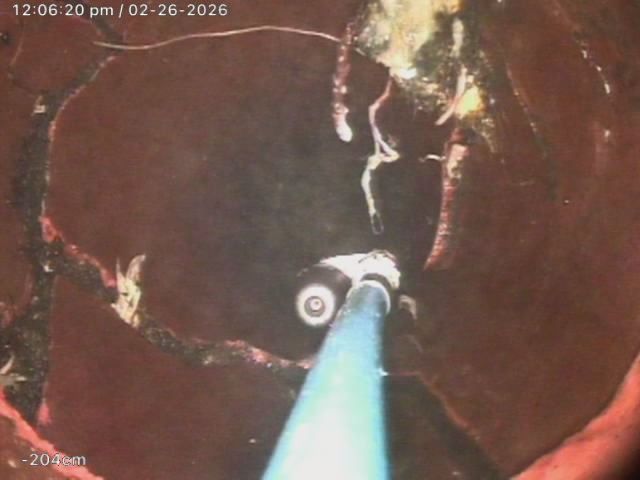
If a pipe underground has cracked, shifted or separated at a joint, sewer gases can escape into the surrounding soil and drift up around outdoor drains or garden beds. In more advanced cases, wastewater may also seep out, even if you don’t yet see a soggy patch.
Older homes, ground movement, root intrusion and long-term wear can all contribute to this sort of fault. A damaged pipe is not something to ignore, because smells are often just the first sign. Left alone, the issue can develop into repeated blockages or more expensive repairs.
Venting problems
Your plumbing system relies on venting to balance air pressure and move sewer gases safely away from the home. If a vent pipe is blocked, undersized, poorly installed or otherwise not doing its job, gases may escape at lower points in the system instead.
This can also affect the water seal in traps. You might notice gurgling noises inside, bad smells outside, or odours that seem to come and go depending on how much water is being used. Venting issues can be easy to misread because the smell may appear near one drain while the actual cause is elsewhere.
What the smell can tell you
Not every outdoor drain smell means exactly the same thing. A rotten egg smell often points to sewer gas. A musty or stagnant smell may suggest trapped organic matter, dirty stormwater pits or poor drainage around the area. If the smell is strongest near a single drain, the issue may be localised. If it spreads across the yard or side of the house, the problem may be deeper in the line.
Timing matters too. If the smell worsens after rain, stormwater may be entering places it should not, or an external area may be holding contaminated water. If it flares up during heavy household water use, a blockage or venting issue is more likely. These details help narrow down what needs attention.
What you can check safely before calling a plumber
There are a few sensible checks a homeowner can do without taking risks or making the problem worse. Start by identifying where the smell is strongest. Look around the external drain for obvious signs like slow drainage, standing water, damp soil, overflow residue, or toilet paper and waste near a gully.
If the drain appears dry, pour some water into it and see whether the smell eases over the next little while. If you have several unused fixtures in the house, run water through them as well. You can also check whether sinks, showers or toilets inside are draining slowly or making gurgling sounds.
What you should not do is start pouring random chemicals into the drain, digging around buried pipework, or trying to cap openings to block the smell. Chemical cleaners can damage pipes and create a safety issue, especially if a plumber later needs to work on the line. If the smell is strong and persistent, proper diagnosis is the better option.
When an outside drain smell needs urgent attention
Some cases can wait for a standard booking. Others should be looked at quickly. If you have sewage backing up, wastewater pooling outside, multiple fixtures inside the home affected at once, or a strong odour that suddenly appears and gets worse fast, it is time to call a licenced plumber.
The same goes for rental properties and investment homes. A bad drain smell can point to a fault that will not sort itself out, and delays often turn a manageable job into a larger repair. Early attention can prevent damage to paving, gardens and surrounding pipework.

How a plumber finds the actual cause
Drain odours are one of those problems where guessing can cost time and money. A licenced plumber will usually start with the obvious access points and look at how the system is behaving overall, not just where the smell is noticed. Depending on the symptoms, that may involve testing flow, checking traps and gullies, inspecting venting, or using a CCTV drain camera to look inside the pipe.
If there is a blockage, the right clearing method matters. If there is a break, root intrusion or collapsed section, the repair should match the condition of the line. At Howzat Plumbing, that practical approach is what helps Brisbane homeowners avoid repeat call-outs for the same drain problem.
Why outside drain smells should not be ignored
A bad smell on its own might seem like a nuisance rather than a repair issue. But outdoor drain odours are often the early stage of something more disruptive. A small blockage can become a full blockage. A damaged pipe can worsen with each season. A venting fault can keep affecting multiple fixtures and make the home unpleasant to live in.
It also matters from a hygiene point of view. Sewer gases and wastewater problems are not something you want lingering around outdoor living areas, side access paths or children’s play spaces. If the smell is recurring, there is a reason for it.
If you have been wondering why does my drain smell outside, the best next step is not to mask it with deodoriser or hope it passes. Notice where it is strongest, check for the simple signs, and get it assessed before it becomes a bigger drainage repair. A clean, properly functioning drain system should fade into the background - exactly where it belongs.


Comments