.png)
Residential Plumbing Maintenance Guide

A leaking flexi hose under the kitchen sink rarely starts as a major emergency. More often, it gives a few quiet warnings first - a slight drip, a damp smell in the cupboard, a patch of swelling in the joinery. That is exactly why a solid residential plumbing maintenance guide matters. For Brisbane homeowners and property owners, staying ahead of small plumbing issues is usually the difference between a simple repair and a much larger clean-up.
Plumbing maintenance is not about turning your weekend into a trade job. It is about knowing what to watch, what to test, and when to call a licensed plumber before damage spreads. In a typical home, taps, toilets, drains, hot water systems and pipework all work hard every day. When one part starts to fail, the flow-on effect can be inconvenience, water waste, property damage and avoidable expense.

What a residential plumbing maintenance guide should actually help you do
A useful residential plumbing maintenance guide should make day-to-day care simpler, not more complicated. The goal is to spot early warning signs, keep fixtures working properly, and reduce the chance of sudden failures.
For most households, maintenance comes down to a few practical habits. You want to keep water moving freely, make sure fixtures are not leaking, check that your hot water system is operating safely and efficiently, and pay attention to any changes in pressure, sound or drainage speed. None of that is flashy, but it is what protects the home.
There is also a legal and safety side to this. In Queensland, plenty of plumbing and all gas fitting work must be carried out by a licensed professional. Homeowners can do visual checks and basic cleaning, but repairs to pipework, drainage, hot water units and gas appliances are not the place for guesswork.
The home plumbing checks worth doing regularly
The easiest place to start is with what you can see and hear. Walk through the house and look at taps, toilets, exposed pipe connections and the area around appliances that use water. If anything looks damp, stained, corroded or swollen, it is worth attention.
At the kitchen sink, open the cupboard below and check for moisture around traps, valves and hoses. In bathrooms, look around the base of the toilet, under vanity basins and around shower fittings. A small leak can sit unnoticed for weeks if no one opens a cupboard or checks behind stored items.
Toilets deserve special attention because they can waste a surprising amount of water without looking dramatic. If the cistern keeps refilling, the pan has a constant trickle, or you can hear water moving long after a flush, something is likely worn or out of adjustment. Left alone, that can push water bills up and wear components faster.
Drains also tell you a lot. Slow drainage in one fixture might be a local build-up of soap residue, hair or grease. Slow drainage across multiple fixtures can point to a broader issue in the line. Gurgling sounds, bad odours and water backing up are all signs not to ignore.
Kitchen and bathroom maintenance that prevents common call-outs
Most residential plumbing trouble starts in the busiest rooms. Kitchens and bathrooms cop heavy daily use, and they are where poor habits tend to show up first.
In the kitchen, the biggest issue is often what goes down the sink. Grease, oils, coffee grounds and food scraps might seem harmless in small amounts, but they build up over time. Once that build-up catches other debris, blockages can form quickly. Even with a sink strainer, it pays to be careful about what enters the drain.
Bathrooms have a different pattern. Hair, soap scum and product residue gradually narrow waste lines, especially in showers and basins. That is why regular cleaning of waste covers and simple visual checks matter. If the shower is draining slower than usual, it is better to deal with it early than wait for a full blockage.
Taps and showerheads should also be checked for drips and mineral build-up. A constant drip might seem minor, but it usually points to a worn washer, cartridge or internal fitting. The longer it runs, the more wear you can expect. Reduced flow from a showerhead may just be build-up, but it can also highlight pressure issues worth investigating.
Hot water system care matters more than most people think
Hot water problems tend to get noticed only when the water runs cold. By then, the fault has often been developing for some time.
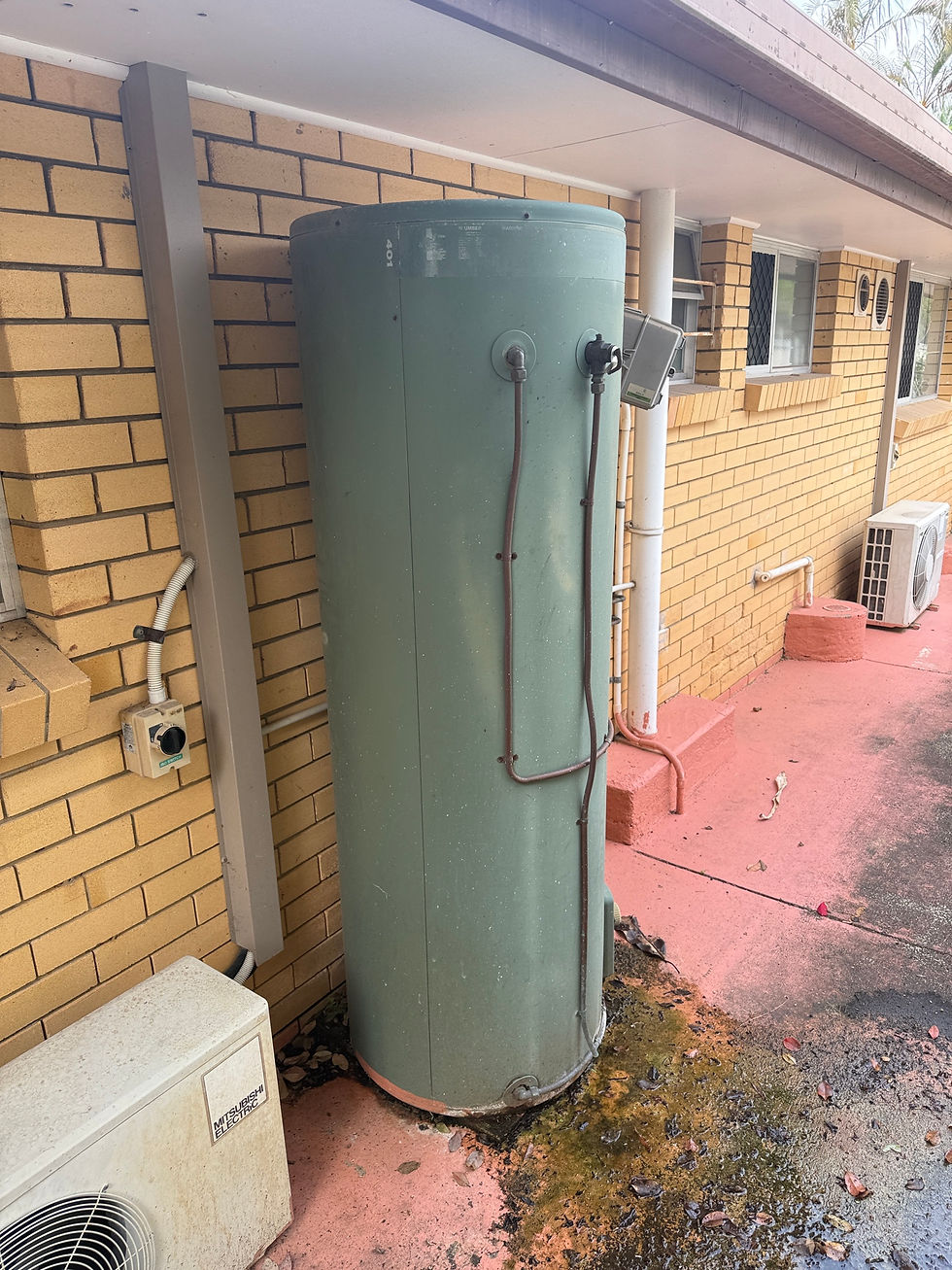
A household hot water system should be observed for leaks, rust marks, unusual noises and inconsistent temperature. Water around the base of the unit is never something to brush off. Neither is banging, rumbling or popping, which can suggest sediment issues or internal wear depending on the system type.
If your hot water temperature changes without explanation, takes longer to recover, or drops off faster than it used to, that is a sign the system needs attention. Sometimes the issue is straightforward. Sometimes it is a warning that replacement planning should start before a full failure leaves the household without hot water.
For landlords and property owners, this matters even more. A hot water outage is not just inconvenient - it can become an urgent tenancy issue. Preventative servicing often costs less than emergency replacement and gives you more control over timing.
Pressure, pipes and the warning signs behind walls
Not every plumbing issue is visible. Some of the most expensive ones happen out of sight, inside walls, under floors or underground.
If your water pressure suddenly changes, there may be more than one possible cause. Low pressure can come from fixture issues, valve problems or pipe restrictions. A spike in pressure can also be damaging over time, especially to older fittings, hoses and appliances. It depends on the house, the age of the plumbing and where the issue is showing up.
Keep an eye out for signs that suggest hidden leaks. Unexplained damp patches, mould growth, bubbling paint, warped cabinetry or a water bill that climbs without a clear reason can all point to a problem in concealed pipework. The earlier these are investigated, the better the chance of limiting structural damage.
Burst pipes rarely happen without some contributing factor, but the final break often feels sudden. Corrosion, wear, pressure problems and damaged fittings can all play a role. Knowing where your main water shut-off valve is located is one of the simplest and most valuable parts of any home maintenance plan.

Seasonal plumbing maintenance for Brisbane homes
Brisbane homes do not deal with the same winter freeze risks as colder parts of the country, but local conditions still affect plumbing. Heavy rain, humid weather and older suburban infrastructure can all contribute to drainage and pipework problems.
During wetter periods, external drains and stormwater paths should be checked to make sure water is clearing as it should. If outdoor areas are holding water or gullies are slow to drain, that can put extra pressure on the system. Tree roots can also become a factor in underground lines, especially in established suburbs.
In warmer weather, higher household water use can expose existing weaknesses. More showers, more laundry and more outdoor use all add demand. If a system is already struggling, summer often shows it up.

When DIY makes sense and when it does not
Homeowners can absolutely handle routine observation and basic upkeep. Cleaning strainers, checking for visible leaks, monitoring drainage speed and testing toilet behaviour are sensible maintenance steps.
What does not make sense is attempting repairs that involve pipe alterations, drainage work, hot water system components or anything to do with gas. Those jobs carry legal, safety and insurance implications. A quick fix that seems cheaper upfront can turn into a more expensive repair if the underlying problem is missed or the work is not compliant.
A good rule is simple. If the job involves dismantling plumbing components beyond basic cleaning, shutting off services, or dealing with persistent faults, it is time for a licensed plumber. If gas is involved in any way, it needs a licensed gas fitter.
Building a maintenance routine you will actually keep
The best maintenance routine is one that is realistic. Most households do not need a complicated checklist pinned to the fridge. A quick monthly look at key fixtures, a closer check every few months, and a professional inspection when something changes is often enough to catch problems early.
It also helps to act on small issues while they are still small. That dripping tap, slow waste, running toilet or minor leak under the sink is rarely cheaper after six more months of use. Prompt repairs protect not only the plumbing, but also cabinetry, flooring and walls nearby.
For Brisbane households that want fewer surprises, a practical approach works best: stay observant, do the simple checks, and bring in a qualified residential plumber when the signs point beyond basic maintenance. That is the kind of steady care that keeps a home running properly without turning every little issue into a major disruption.
If you are not sure whether a plumbing change is minor or the start of something bigger, trust the signs your home is giving you - they are usually quieter at the start than they are later.


Comments