.png)
Why Is My Tap Dripping? Common Brisbane Causes

That steady plink into the basin is more than an annoyance, especially when it starts overnight or appears on a tap that was working perfectly yesterday. If you are asking, “why is my tap dripping?”, the usual answer is a worn internal part. However, the type of tap, the location of the leak and your home’s water pressure all affect what is actually required to fix it properly.
A dripping tap is often a small repair when it is dealt with early. Leave it for too long, though, and it can waste water, leave marks in a sink or bath, damage cabinetry beneath a mixer, and turn a straightforward repair into a tap replacement.

Why is my tap dripping even when it is turned off?
Most taps stop water with an internal seal. Every time you turn a handle or lever, that seal moves against a valve surface to control the flow. Over years of use, heat, normal wear and tiny particles in the water can affect those components. Eventually, water can pass through even when the tap feels fully closed.
The most common causes depend on the tap style. Traditional separate hot and cold taps usually have a rubber washer that compresses against a valve seat. A worn, split or hardened washer can allow water to keep running from the spout.
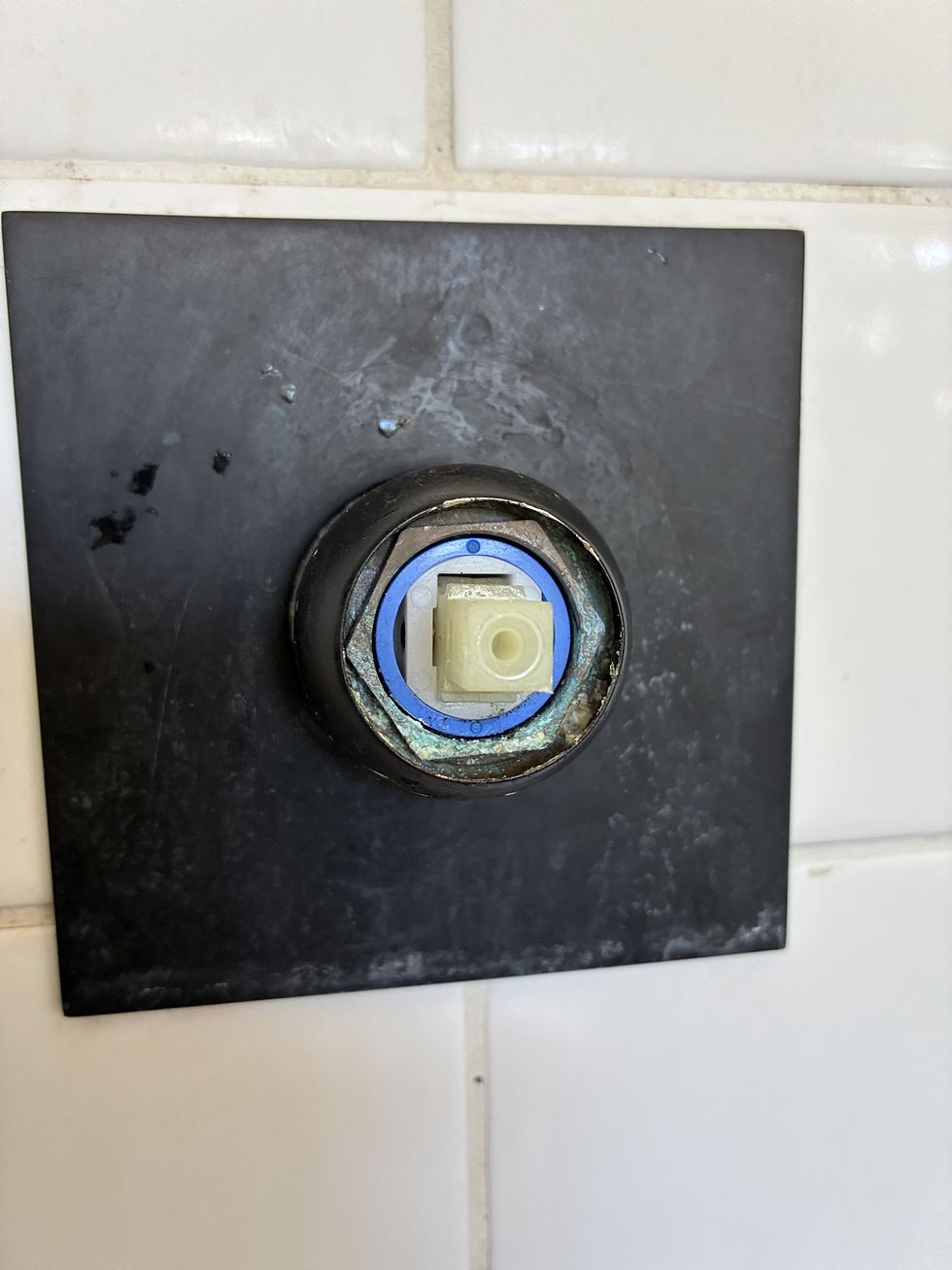
Mixer taps are different. They generally use a ceramic cartridge, which contains small discs that control water flow and temperature. When the cartridge wears, cracks or becomes obstructed, the mixer may drip from the spout, become hard to turn, or fail to shut off cleanly.
A leak is not always coming from the outlet. If water appears around the base of a mixer or runs down the tap body while it is on, worn O-rings or seals are more likely. Water under the vanity, inside a kitchen cupboard or behind a wall may point to a loose connection, deteriorated flexi hose or another issue that needs prompt attention.
Worn washers and valve seats
A washer replacement can solve many leaks in older-style taps, but it is not always the whole story. The brass valve seat underneath can become pitted or rough over time. A new washer pressed against a damaged seat may reduce the drip briefly, then fail again.
This is why a proper tap repair involves inspecting more than the washer. A plumber can check the spindle, valve seat and seals, then replace or service the parts that are causing the leak rather than guessing.

Faulty mixer cartridges
Ceramic cartridges are durable, but they do not last forever. A cartridge can wear out through frequent use, particularly in busy family bathrooms and kitchens. Some cartridge failures are obvious, while others begin as an occasional drip that gets progressively worse.
The right cartridge must match the tap. Brand, model, spindle length and spline pattern can all matter. Trying a near-enough part may leave you with a tap that still leaks, has poor temperature control or cannot be reassembled correctly.
Water pressure problems
High water pressure puts extra strain on taps, toilet inlet valves, appliance hoses and other plumbing fittings throughout the house. If multiple taps are dripping, valves are noisy, or leaks keep returning after repairs, pressure may be part of the problem.
Brisbane homes can vary significantly depending on their water supply arrangement, elevation and existing pressure control. Replacing one failed washer without addressing excessive pressure can mean the same issue returns sooner than it should. A plumber can test the pressure and advise whether a pressure-limiting valve or another repair is appropriate.
How to tell where the tap leak is coming from
Before arranging a repair, take a moment to identify exactly when and where water appears. This helps distinguish a dripping tap from a leak around the tapware or pipework.
If water falls from the spout when the tap is off, the fault is generally inside the tap. If it leaks around the handle while the tap is running, a spindle seal, O-ring or cartridge seal may be worn. Water gathering at the base of a kitchen mixer can be trickier, as it may run down the tap body and escape through the mounting hole beneath the bench.
Look inside the cupboard below the sink with a torch. Check for dampness around the flexible hoses, isolation valves and pipe connections. Do not ignore swollen cupboard bases, musty smells or staining. A slow concealed leak can cause far more damage than the visible drip above the bench.
It is also worth checking whether the leak is on the hot or cold side. A hot tap that continues to drip may be linked to heat-related wear in the tap components. Take care around hot water, particularly if the tap is difficult to operate or you are unsure which isolation valve serves it.
What you can safely check before calling a plumber
You do not need to pull a tap apart to make a useful assessment. Start by drying the tap and basin, then watch where the first drops form. Test the handle gently - do not force it tighter, as excessive force can damage a washer, cartridge or handle assembly.
For a leak beneath a sink, clear stored items away from the area and place a towel or shallow container under the affected point. If you can see a steady leak from a hose or connection, turn off the local isolation valve if it is accessible and working. These small valves are commonly found inside kitchen, bathroom and laundry cupboards.
If water keeps flowing after you turn off an isolation valve, or if there is no local valve, use the main water shut-off valve only if necessary and arrange professional help. Make sure everyone in the household knows where that main valve is located before an urgent leak occurs.
Some homeowners are comfortable replacing basic external tap parts, but tap repairs are not always as simple as they appear. Corroded fittings can break, old valves may not isolate fully, and incorrect reassembly can create a larger leak. For properties managed by a landlord or agent, report the issue promptly and avoid work that may affect your maintenance arrangements.
When a dripping tap needs prompt attention
A single slow drip from a basin tap is rarely an emergency, but there are situations where it should not wait. Call a plumber sooner if water is leaking inside cabinetry, around electrical appliances, through a wall or ceiling, or from a pipe connection rather than the tap outlet.
You should also act quickly when a tap cannot be turned off, a mixer suddenly has no cold or hot water control, or water pressure has changed noticeably across the home. A tap that is loose at the bench, heavily corroded or difficult to shut off can fail without much warning.
For an investment property, a reported dripping tap is worth addressing early. Tenants should not have to put up with constant noise, and a quick repair can prevent damage to vanities, benchtops and flooring. It also gives the plumber an opportunity to spot related issues, such as ageing isolation valves or leaking flexi hoses, before they become a call-out after hours.
Repair or replace the tap?
Repairing a quality tap is usually worthwhile when replacement parts are available and the tap body is in good condition. A washer, seal or cartridge replacement can restore normal operation at a sensible cost and retain tapware that suits the room.
Replacement may be the better value where tapware is badly corroded, spare parts are unavailable, the finish is deteriorating, or repeated repairs have not lasted. It can also be a practical time to update an awkward kitchen mixer or bathroom tap that no longer meets the household’s needs.
The cheapest option is not always the most economical. Low-quality tapware may be harder to service and can have limited access to compatible cartridges and parts. A licensed plumber can explain the condition of the existing tap, provide clear options and install replacement tapware correctly if that is the better long-term choice.
Preventing the next drip
No tap lasts forever, but sensible use can extend its working life. Avoid wrenching handles tightly closed, and have unusually high water pressure investigated rather than living with banging pipes or recurring leaks. If a tap becomes stiff, loose or starts making a squealing sound, book a repair before it reaches the dripping stage.
A small drip is your plumbing giving you an early warning. Getting it checked while the issue is contained is generally cleaner, simpler and less disruptive than waiting for water to find its way into the cupboard below. For Brisbane homeowners and property owners who want a straightforward diagnosis and tidy repair, Howzat Plumbing can assess the tap, explain the options and get the water where it belongs - in the pipe, not down the drain.


Comments