.png)
What Causes Recurring Blocked Drains?
- Michael Hiscock
- May 1
- 6 min read

A drain that blocks once is frustrating. A drain that keeps blocking is usually a sign the real problem has not been found. If you are wondering what causes recurring blocked drains, the short answer is that most repeat blockages come back to build-up, damage, or a deeper issue in the pipework that a quick fix cannot properly clear.
That matters because the usual stopgap measures often only punch a small hole through the blockage. Water starts moving again, everyone gets on with their day, and then a few weeks later the sink is slow, the shower starts pooling, or the toilet is gurgling again. When that happens, the blockage is not really gone. It is just temporarily less obvious.

What causes recurring blocked drains in homes?
In Brisbane homes, recurring drain problems usually come from the same handful of causes, but they do not all behave the same way. Some build up gradually through day-to-day use, while others point to a damaged drain underground or around the house.
In the kitchen, grease, fats, food scraps and soap residue are common culprits. Even if you do not pour cooking fat straight down the sink, oily waste from plates and pans can cool inside the pipe and cling to the walls. Over time, that sticky layer catches other debris and narrows the pipe until drainage slows right down. A plunger or supermarket drain cleaner might shift part of it, but rarely all of it.
In bathrooms, the usual offenders are hair, soap scum and sometimes products that should never be flushed or rinsed away in the first place. Hair wraps around itself and sticks to residue inside the drain. Add toothpaste, body wash, shaving cream and hardening soap build-up, and you get a blockage that keeps reforming even after you think it has cleared.
Toilets are a little different. A properly functioning toilet drain should not keep blocking under normal use. If it does, there may be too much toilet paper going down at once, but there could also be wipes, sanitary products, kids' items, or a problem further down the line. Even products labelled flushable can create repeat blockages. In practice, many of them do not break down fast enough to move cleanly through residential drainage.
Tree roots are a major reason blocked drains keep coming back
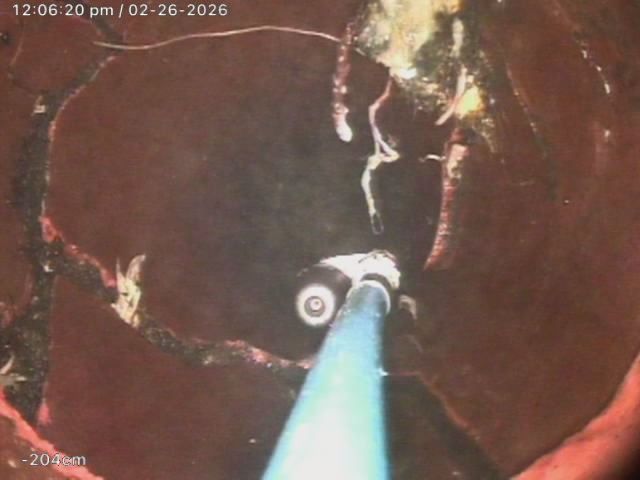
One of the biggest causes of recurring blocked drains is tree root intrusion. This is especially common in older properties, but it can happen anywhere there is even a small crack or weak joint in the pipe. Roots are drawn to moisture. Once they find their way in, they keep growing and create a net that traps toilet paper, waste and other debris.
The reason this issue keeps returning is simple. If roots are cut back without dealing with the damaged section of pipe, they often regrow. You might get temporary relief, but not a lasting fix. That is why repeat outdoor drainage issues, overflowing gullies, or toilets and drains backing up together often need proper inspection rather than another quick clear.
Brisbane conditions can make this more noticeable after rain, when the ground is saturated and drainage systems are already under extra pressure. A pipe that just manages in dry weather may fail more obviously once roots, silt and stormwater are part of the picture.
Pipe damage, poor fall and misaligned joints
Not every recurring blockage is caused by what goes down the drain. Sometimes the drain itself is the problem.
Cracked pipes, collapsed sections, rough internal surfaces and misaligned joints can all catch debris and create snag points. If the pipe has poor fall, meaning it does not slope correctly, wastewater does not carry solids away as it should. Instead, material settles in the line and gradually builds into a blockage.
This is one of the reasons recurring drain issues should not be dismissed as bad luck. If the same fixture blocks repeatedly, or multiple fixtures are affected at once, there may be a structural issue in the drainage system. In those cases, clearing the line is only one part of the job. Identifying why the blockage keeps forming is what prevents the cycle from continuing.
Older earthenware pipes are particularly prone to cracking, root entry and joint movement, but newer pipes are not immune. Ground movement, poor installation and accidental damage can affect modern pipework too.
Stormwater and sewer problems can look similar at first
Homeowners sometimes describe every blockage as a blocked drain, but there is an important difference between sewer drains and stormwater drains. Sewer drains carry wastewater from toilets, sinks, showers and laundry fixtures. Stormwater drains handle rainwater from roofs, downpipes and outdoor areas.
If your outdoor drain overflows only during heavy rain, the issue may be leaves, silt or debris in the stormwater system rather than the sewer line. If the toilet bubbles when the shower runs, or wastewater appears in floor wastes, that points more towards a sewer drainage issue.
The distinction matters because the fix is not always the same. A stormwater blockage may involve clearing pits and lines choked with mud and garden waste. A sewer blockage may need jet blasting, a CCTV camera inspection, or repair work if the line is damaged. If the wrong system is treated, the problem is likely to come straight back.
Why DIY drain clearing often does not solve recurring blockages
There is a place for simple first steps. A plunger can help with a minor local blockage, and removing visible hair from a bathroom waste can make an immediate difference. But recurring blocked drains usually need more than that.
Chemical drain cleaners are a common example. They can sometimes break down part of a blockage, but they do not tell you what caused it. They can also be harsh on pipe materials and fittings, especially if used repeatedly. More importantly, they tend to leave residue or debris behind if the underlying issue is roots, scale, a broken pipe, or a heavy grease build-up deeper in the line.
Store-bought drain snakes can also create a false sense of success. They might punch through a soft blockage but leave most of it clinging to the inside of the pipe. Water drains for a while, then the remaining material catches more debris and the blockage reforms.
That is why repeat blockages often need proper equipment, not just more effort. High-pressure water jetting and CCTV drain inspections are useful because they do two different jobs. One clears the line thoroughly, and the other shows why it blocked in the first place.
Signs the blockage is part of a bigger issue
A slow sink on its own might be local and simple. A pattern across the home is different.
If you notice bad smells from drains, gurgling sounds, water backing up in unexpected places, or more than one fixture draining slowly at the same time, there is a fair chance the problem is deeper in the system. The same applies if a drain clears temporarily and then blocks again within days or weeks.
For landlords and property owners, recurring blocked drains are worth dealing with early. Repeat call-outs for the same symptom usually cost more over time than identifying the real fault once and fixing it properly. It also helps avoid water damage, hygiene issues and disruption for tenants or the household.
How recurring blocked drains are properly diagnosed
The right approach depends on the symptoms, the age of the home, and which drains are affected. There is no single fix that suits every property.
A kitchen line with grease build-up may need a thorough clean and some simple advice on preventing residue from entering the sink. A bathroom waste may need hair and soap build-up removed. A sewer line affected by roots may need jet blasting first, then a camera inspection to assess whether repair or replacement is the better long-term option.
That is where experienced residential plumbers add real value. Instead of treating every blockage as a one-off, they look at the pattern, inspect the line properly and explain what is happening in plain terms. For Brisbane households, that can mean the difference between a drain that works for a week and one that stays clear.
Howzat Plumbing sees this often in homes across Brisbane - a recurring drain issue that has been plunged, flushed or chemically treated more than once, when the real cause is still sitting in the pipework.
Preventing the problem from coming back
Good habits help, but they only go so far if the drain is already damaged. As a rule, avoid pouring grease down the sink, use strainers where practical, keep wipes and hygiene products out of the toilet, and pay attention to early signs like slow drainage or gurgling.
Still, prevention is not just about what you do inside the house. If you have large trees near sewer lines, an older drainage system, or a history of blockages after rain, it is worth taking those warning signs seriously. A proper inspection can save a lot of mess later.
If a drain keeps blocking, the main thing to know is this: recurring problems usually have a specific cause, and until that cause is found, the blockage is likely to return. Getting it checked properly early is often the cleanest, least disruptive way to put the issue to rest.


Recurring blocked drains can be a real headache for homeowners, and the article provides valuable insights into the underlying causes. One key point is that often, a superficial fix leads to a return of the issue if the Rooli https://www.crystaldlites.com.au/post/fun-facts-about-gaspeite-the-rare-lime-green-crystal-with-big-energy of the problem isn’t identified. A deeper inspection and understanding of the specific causes can save time, money, and frustration in the long run. Ignoring these signs may lead to more extensive damage later.