.png)
Why Is My Water Pressure Low at Home?

You turn on the shower and get more of a drizzle than a proper rinse. Or the kitchen tap takes ages to fill a pot, while the washing machine seems to run forever. If you’ve been asking, why is my water pressure low, the answer can range from a simple fixture issue to a bigger plumbing fault that needs attention.
Low water pressure is one of those household problems that feels minor at first, until it starts affecting everyday jobs right across the house. The key is working out whether the problem is isolated to one tap or shower, limited to hot water, or happening throughout the whole property. That usually tells you a lot about where the fault sits.
Why is my water pressure low in one tap or shower?
If low pressure is only affecting one outlet, the problem is often local rather than something wrong with the whole plumbing system. In many Brisbane homes, the most common cause is a blocked aerator or shower head. Over time, mineral build-up, sediment and general debris can restrict flow and make pressure feel much weaker than it really is.
A partially closed isolation valve can also cause the same issue. These valves are often tucked under sinks or behind toilets, and sometimes they are not fully reopened after maintenance work. It does not take much to reduce flow noticeably.
Older taps can also wear internally. Washers, cartridges and other working parts do not last forever, and once they start to fail, water flow can become inconsistent or weak. If the outlet is old, leaking, stiff to turn, or not performing properly, low pressure may be a sign it is time for a repair or replacement.
Foreign debris inside the shower head restricting flow and reducing pressure. Deteriorated washer lodged in the basin outlet, causing a blockage and poor drainage. Low water pressure at the sink mixer affecting everyday use and performance. Blocked flow disc and debris buildup inside the shower head, restricting water output.
Why is my water pressure low in the whole house?
When every tap and shower feels weak, you are more likely dealing with a broader supply or system problem. That could be on the property side, or it could be coming from the water main.
A good first check is whether neighbours are having the same issue. If they are, there may be maintenance works, a local supply fault or a temporary network problem affecting the area. If it is only your property, the issue is more likely within your plumbing system.
One possibility is that your property’s main shut-off valve is not fully open. This can happen after previous repairs, renovations or meter work. Another is a pressure limiting valve that is worn or faulty. These valves are designed to protect household plumbing from excessive pressure, but if they fail, they can restrict water flow too much.
In some homes, especially older ones, corroded or undersized pipework can be the real cause. Internal build-up narrows the pipe over time, reducing the amount of water that can move through. This tends to happen gradually, so many homeowners only notice once the drop becomes significant.
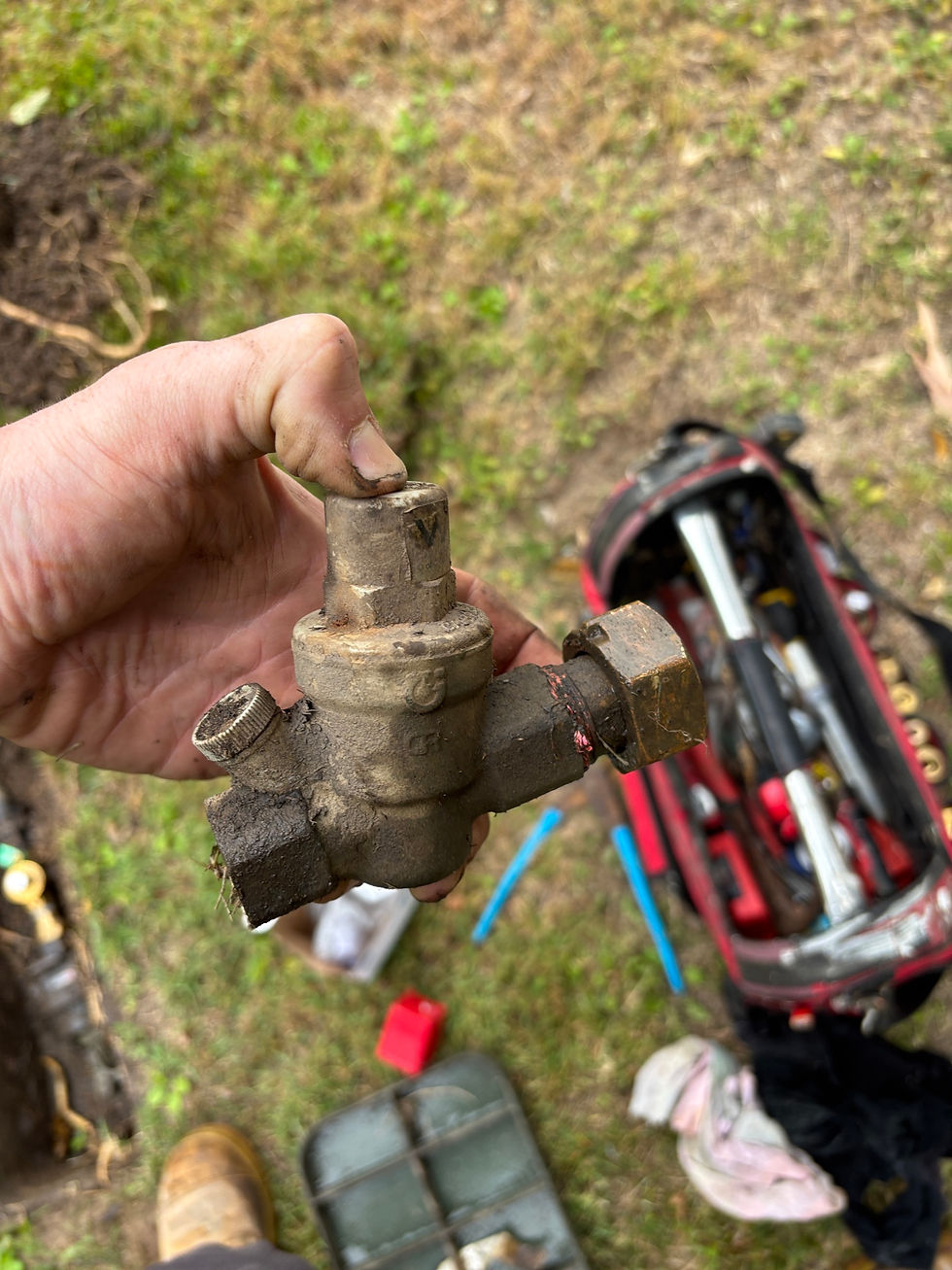
Low pressure on the hot water side only
If cold water is running normally but hot water is weak, the issue often points back to the hot water system. Sediment build-up inside the unit, a blocked filter, a faulty valve, or ageing components can all reduce hot water flow.
This is common with older storage systems, but it can also happen with continuous flow units depending on the condition of the system and local water quality. In some cases, the hot water service is doing exactly what it should, but another component connected to it is not.
The main thing here is not to assume every hot water problem is a pressure problem. Sometimes people describe low hot water pressure when the real issue is poor hot water delivery, inconsistent temperature, or a system that is struggling to meet household demand. The fix depends on which of those is actually happening.
Hidden leaks can reduce pressure
A leak does not always announce itself with a burst pipe or a flooded yard. Smaller concealed leaks under the house, in walls, or underground can reduce available pressure and waste a surprising amount of water at the same time.
If your pressure has dropped and your water bills have climbed, a hidden leak should be on the list of possibilities. Damp patches, mould, water staining, or the sound of running water when everything is turned off can all point in that direction.
Leaks matter for more than pressure alone. Left unresolved, they can lead to structural damage, water waste and much larger repair costs later.
Could a blocked pipe be the reason?
Yes, especially if the pressure drop came on fairly suddenly or affects certain parts of the house more than others. Blockages are not only a drain problem. Water supply pipes can also become obstructed by debris, corrosion, or damaged components.
That said, diagnosing a blocked supply line is not always straightforward without the right testing. What feels like low pressure can actually be low flow, and those are related but not quite the same thing. Pressure is the force in the system. Flow is the volume coming out. To a homeowner at the tap, they often feel like the same problem, but a plumber will approach them differently.
What you can check safely yourself
There are a few sensible checks you can make before booking a call-out. Start by seeing whether the problem affects one fixture, one side of the house, hot water only, or everything. That narrows things down quickly.
Check that the water meter valve and any visible isolation valves are fully open. Look at the tap aerators and shower heads for obvious build-up. If one fixture is the problem, cleaning or replacing the fitting may be enough.
It is also worth asking a neighbour if they have noticed the same issue, especially if the change was sudden. And keep an eye out for signs of leaks, including damp ground, stained walls, or unexplained higher water usage.
What you should not do is start dismantling valves, hot water components, or pipework if you are not licensed to carry out that work. In Queensland, plumbing work is regulated for good reason. A wrong move can create a leak, a safety issue, or a bigger repair than the one you started with.
When low water pressure needs a plumber
If basic checks do not reveal an obvious cause, or if the problem is affecting the whole house, it is time to get it assessed properly. The same applies if low pressure is linked to hot water issues, suspected leaks, noisy pipework, discoloured water, or a recent spike in water bills.
A licensed residential plumber can test what is happening, inspect valves and fixtures, assess the condition of the pipework, and work out whether the issue is local, system-wide, or coming from the supply side. The right fix might be quite small, such as replacing a faulty valve or tap component. In other cases, it may involve repairing a leak, clearing a restriction, or planning for pipe upgrades in an older home.
There is a trade-off here. Some pressure problems are quick and affordable to sort out. Others are a symptom of ageing plumbing that needs a more considered solution. A good plumber will explain the difference clearly, so you can decide whether to patch the immediate problem or invest in a longer-term fix.
Pressure testing the home to diagnose flow issues
Why Brisbane homes can see pressure issues
Across Brisbane, housing stock varies a lot. Some homes have older galvanised or ageing copper pipework, while others have newer systems with pressure control devices and updated fittings. That means the cause of low pressure can differ from one suburb to the next, and even from one house to the next on the same street.
Renovations also play a part. If fixtures have been upgraded over time but underlying pipework has not, the performance of the system may not match what the new fittings are designed for. The result can be disappointing shower pressure, slow taps, or uneven flow between different parts of the house.
This is where a residential-only plumbing team can be useful. A plumber who regularly works in Brisbane homes is more likely to recognise the common patterns and get to the cause without wasting time.
Why is my water pressure low, and should I worry?
Sometimes the answer is simple and not urgent. A clogged shower head or a partly closed valve can be annoying, but it is usually easy enough to fix. But if low water pressure has appeared suddenly, affects the whole home, or comes with leaks, strange noises, discoloured water, or hot water trouble, it is worth taking seriously.
Water pressure problems have a habit of revealing bigger issues underneath. Catching them early can save money, reduce water waste and help you avoid more disruptive repairs later. If you are not sure what is causing it, getting a licensed plumber to inspect it is the quickest way to move from guesswork to a proper solution.
If your taps and showers are not performing the way they should, a clear diagnosis is always the best starting point - and a home plumbing system should make daily life easier, not more frustrating.


Upon reflection, the reasoning does not extend beyond the available facts. The use of hedging language reflects genuine epistemic care. The website contains relevant supplementary material on the subject. Scalability indicators are grounded in local digital infrastructure usage patterns.